About the Workshop
UrbanState focuses on methods for turning multimodal urban observations into representations that support perception, prediction, planning, and decision making for autonomous mobility. The workshop addresses a practical gap: urban sensors and mobility traces are abundant, but shared representations across platforms, places, and time remain limited.
Many current approaches treat sensor streams and mobility traces separately, which limits cross-platform fusion, transfer, and city-scale reasoning. UrbanState brings together researchers from computer vision, autonomous driving, intelligent transportation, and urban computing to discuss cross-platform fusion, city-scale mapping, digital twins, uncertainty modeling, and mobility decisions. Orlando's active AV testing environment and WACV's applied focus make it a strong setting for this discussion.
Call for Papers & Topics
We invite papers, surveys, datasets, benchmarks, demos, and applications on the following topics.
Multimodal & Cross-Platform Perception
Multimodal and cross-platform perception methods for autonomous systems operating in complex urban environments.
Urban Scene Representation
Urban scene representations for city-scale mapping, understanding, and reasoning.
Representation-Informed Mobility
Representation-informed perception, prediction, planning, and end-to-end mobility.
Cross-City & Cross-Sensor Transfer
Cross-city and cross-sensor transfer, along with vision-language and multimodal foundation models.
Datasets, Benchmarks & Evaluation
Urban vision datasets, benchmarks, simulation, and evaluation protocols.
Surveys & Applications
Survey papers and other applications for urban sensing and representation.
Invited Speakers
First invited speaker confirmed below; additional invited speaker to be announced.
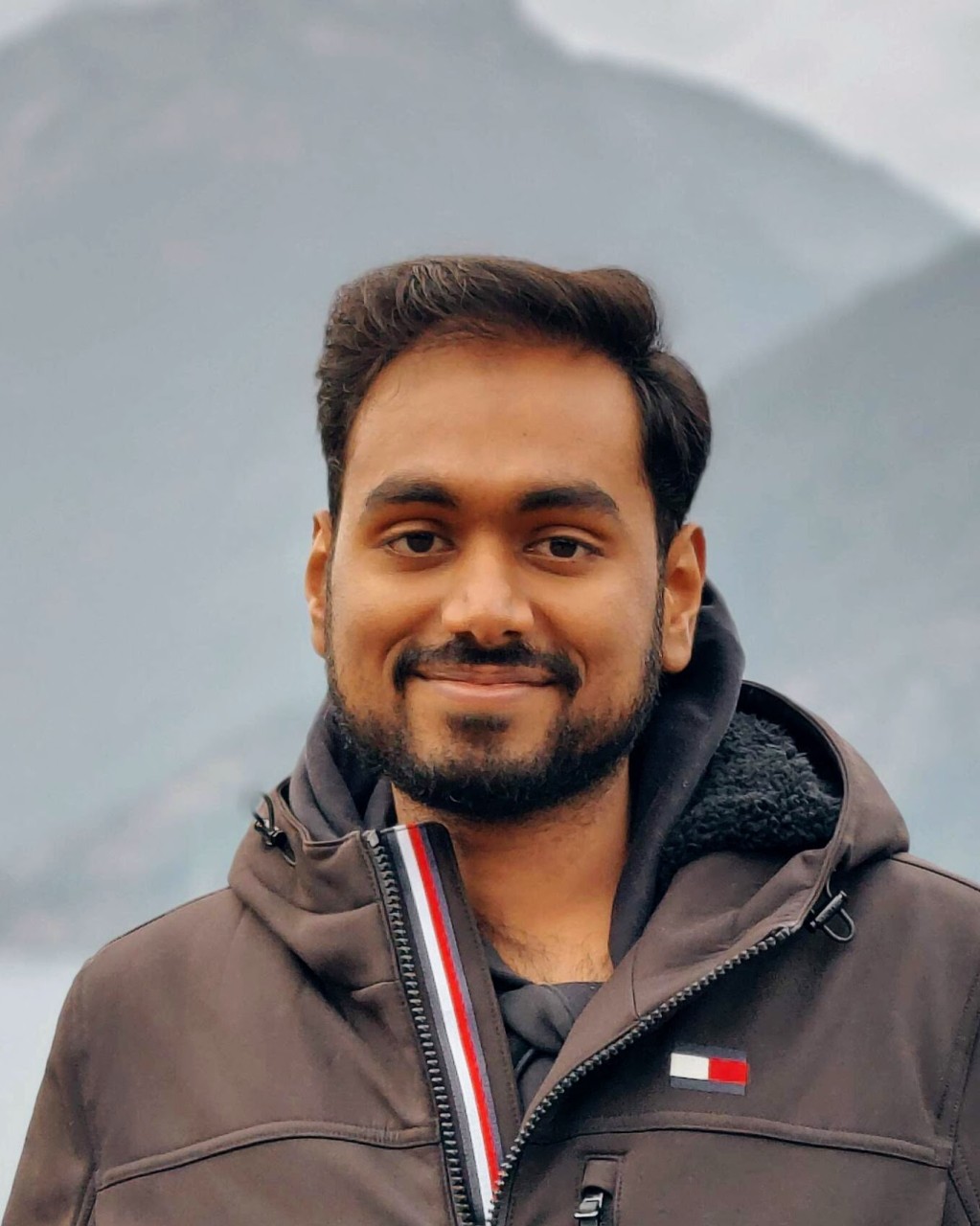
Achyut Sarma Boggaram
Staff ML Engineer, Latitude AI
Achyut is a Staff Machine Learning Engineer specializing in bridging the gap between frontier AI research and production-grade infrastructure at massive scale, with expertise in designing, optimizing, and deploying complex, multimodal ML systems that operate reliably under real-world constraints. Most recently, he was a Senior Applied Research ML Engineer and Tech Lead on the Perception team at Torc Robotics, where he developed frontier multimodal models and 3D sensor fusion architectures for Level 4 autonomous trucks, leading large-scale ML infrastructure and deployment efforts to move advanced perception stacks from the lab to the road. Beyond autonomous vehicles, he has shipped ML systems across robotics, computer vision, and industrial autonomy at companies including IUNU, Material Handling Systems, Clobotics, and ObjectVideo Labs.

To Be Announced
Invited Speaker
Details coming soon.
Tentative Schedule
Half-day format. Exact times will be finalized closer to the workshop.
Poster session details (12 poster boards requested) will be announced with the full program.
Call for Papers & Submission Guidelines
UrbanState invites submissions on multimodal urban sensing and representation for autonomous mobility. Suitable submissions include original research, datasets, benchmarks, applications, systems, evaluation studies, surveys, and position papers at the intersection of computer vision, autonomous driving, intelligent transportation, urban computing, robotics, and digital twins.
See Call for Papers & Topics above for the full list of scope areas.
Submission Tracks
- Regular Papers (Archival): Up to 8 pages, including figures and tables, in the official WACV 2027 style. Additional pages containing only cited references are allowed. Accepted regular papers will appear in the WACV 2027 Workshop Proceedings and will be submitted for inclusion in the IEEE Xplore / CVF Open Access record, subject to WACV publication requirements.
- Extended Abstracts (Non-Archival): Up to 4 pages, excluding references, for work in progress, position papers, demos, preliminary results, or previously published/submitted work that would benefit from workshop discussion. Accepted extended abstracts will be presented at the workshop but will not appear in the official proceedings.
Formatting, Review & Publication
- Format: Submissions must use the official WACV 2027 author kit and follow the WACV formatting rules. Papers that do not use the template, exceed the page limit, or fail anonymity requirements may be rejected without review.
- Submission System: Workshop submissions will be handled through the UrbanState OpenReview venue.
- OpenReview Profiles: Authors creating a new OpenReview profile without an institutional email should allow up to two weeks for moderation. Profiles created with institutional emails are activated automatically.
- Review: All submissions will receive double-blind peer review by the Program Committee. Authors must remove names, affiliations, acknowledgments, and identifying links from the manuscript and supplementary material.
- Supplementary Material: Authors may submit anonymized supplementary material, including additional results, code, videos, or implementation details, consistent with WACV 2027 policy.
- Presentation: At least one author of each accepted paper is expected to register for WACV 2027 and attend the workshop in person. Two accepted papers will be selected for oral spotlight presentations; all other accepted papers will present as posters.
- Dual Submission: Archival regular papers must describe original, unpublished work and follow WACV dual-submission and plagiarism policies. Non-archival extended abstracts may discuss work submitted or published elsewhere, provided this is clearly disclosed at submission.
Author Kit & Templates
Please download the official WACV 2027 LaTeX/Word templates and detailed formatting instructions directly from the main conference Author Guide:
Official WACV 2027 Author Guides & TemplatesOrganizing Committee
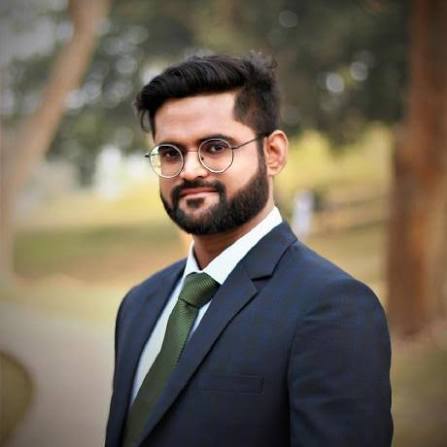
Dr. Reeshad Khan
University of Central Florida · Primary Contact
Postdoctoral Scholar working on sensor co-design and end-to-end driving, presented at ICCV, CVPR, and ECCV-affiliated workshops (including TinyBEV); currently working on vision-grounded urban mobility representation at UCF.
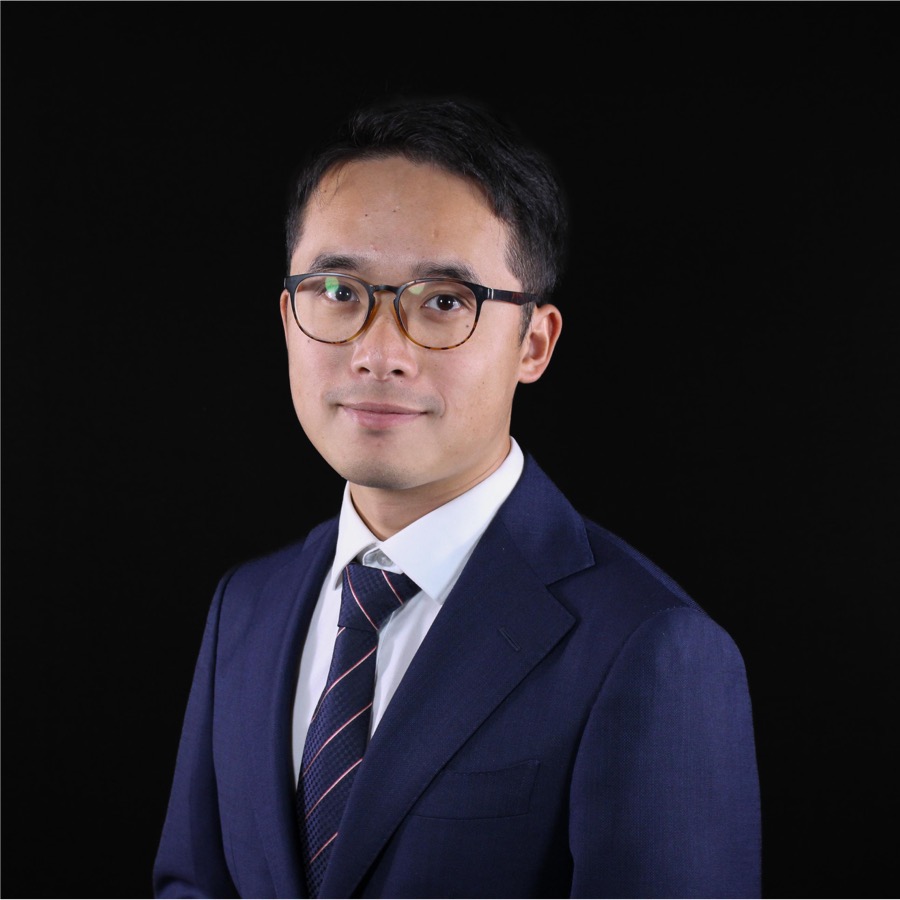
Dr. Xishun Liao
University of Central Florida
Assistant Professor with 30+ peer-reviewed papers on intelligent transportation systems, digital twin technology, autonomous driving, and applied AI/ML for smart mobility. Associate editor, IEEE Open Journal of Intelligent Transportation Systems.
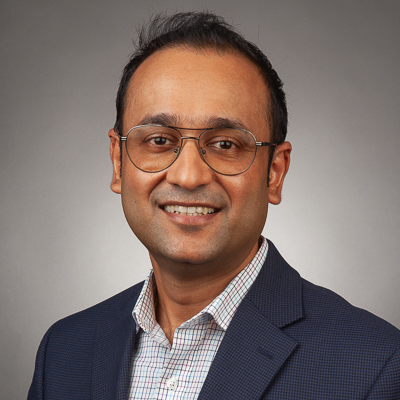
Dr. Shaurya Agarwal
University of Central Florida
Associate Professor and founding director of the URBANITY Lab and Future City Initiative, focused on cyber-physical systems, smart transportation, and connected/autonomous vehicles. Associate editor, IEEE Transactions on Intelligent Transportation Systems.
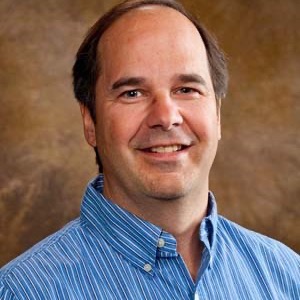
Dr. John Gauch
University of Arkansas
Professor whose research spans real-time video analysis, image processing, and computer vision, including scene-transition detection, large-scale video indexing and retrieval, and biomedical image segmentation and motion tracking.
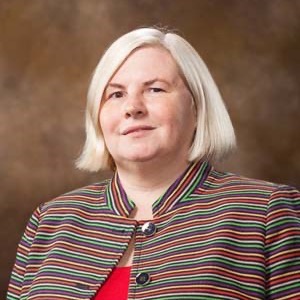
Dr. Susan Gauch
University of Arkansas
Professor researching information retrieval, ontologies, and personalization. Holds the Rodger S. Kline Leadership Chair; former head of the Department of Computer Science and Computer Engineering.
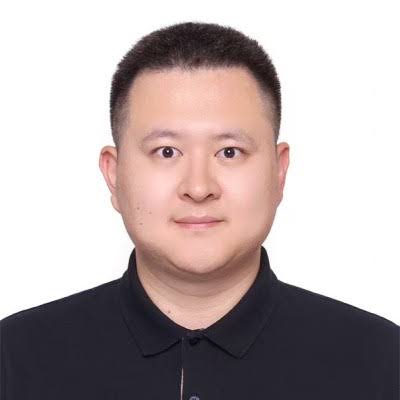
Dr. Chuheng Wei
Purdue University
Postdoctoral Researcher focused on multimodal perception, cooperative sensing, and human-centered AI for autonomous driving and intelligent transportation systems. Previously organized workshops at IV, ITSC, CVPR, and ICCV.
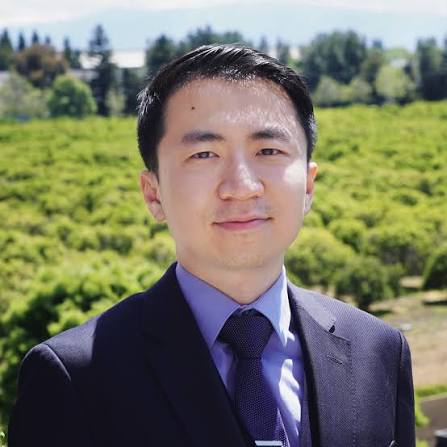
Dr. Ziran Wang
Purdue University
Assistant Professor with 80+ papers and 50+ patent applications on autonomous vehicles and intelligent transportation systems. Associate editor, IEEE T-ITS, T-IV, IoT Journal, and IEEE Network. Previously organized workshops at CVPR, ICCV, WACV, ITSC, and IV.
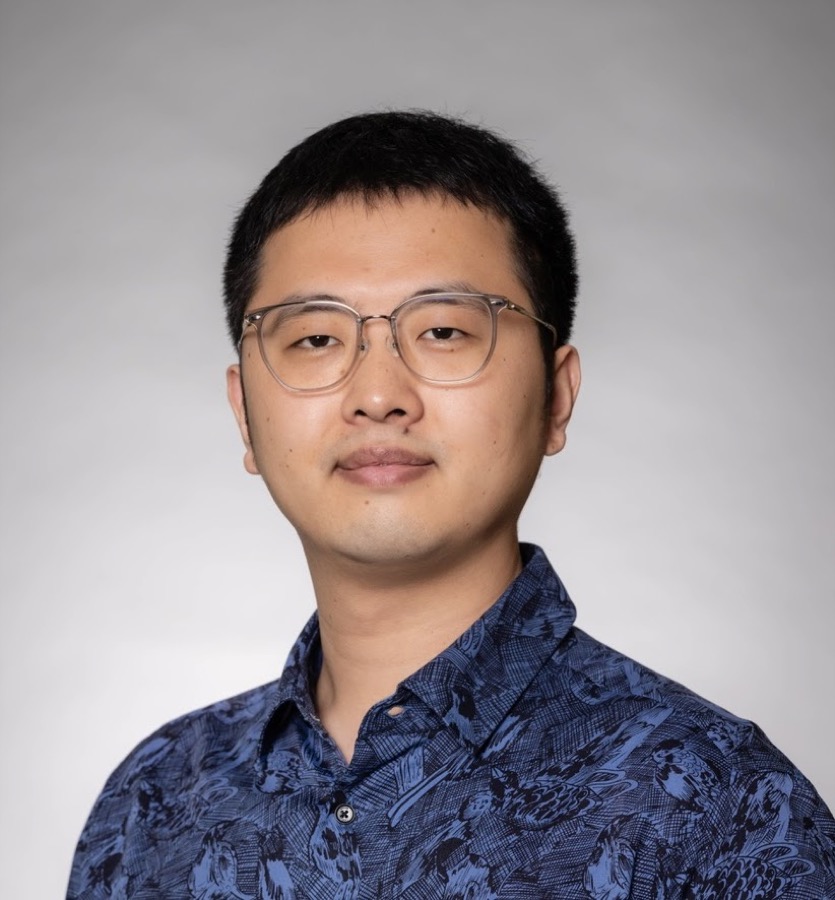
Dr. Hao Zhou
University of South Florida
Assistant Professor in Transportation Engineering and his research spans from traffic flow theory to emerging vehicle technologies, and AI-enabled transportation mobility. He has published extensively in empirical driving characterization, modeling, prediction, and multimodal automation and cooperation using synchronized dashcam videos and decoded CAN streams.
Program Committee
Additional reviewers will be recruited to cover all CFP topics and submitted papers.
Important Dates
-
Workshop Paper Submission Deadline (extended):
October 17, 2026, 11:59 PM AoE
October 19, 2026, 11:59 PM AoE - Notification to Authors (hard deadline): October 30, 2026
- Camera-Ready Deadline: November 17, 2026, 11:00 PM ET
- Workshop Event Date: January 5, 2027 · Orlando, FL
The submission deadline is in AoE (Anywhere on Earth), the standard convention for CV/ML paper deadlines; other dates are in their official reference timezone (ET). Your local time is added automatically where shown. Submission deadline extended from Oct 17 to Oct 19, 2026 at the request of prospective authors.